
Understanding Different Types of Anxiety
EMOTIONAL WELLBEING
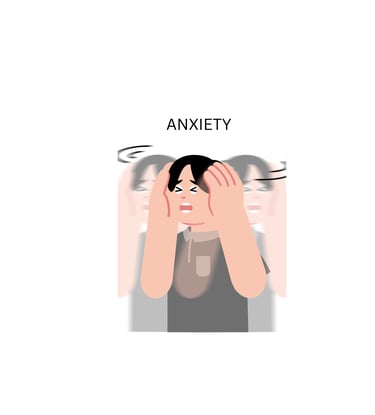
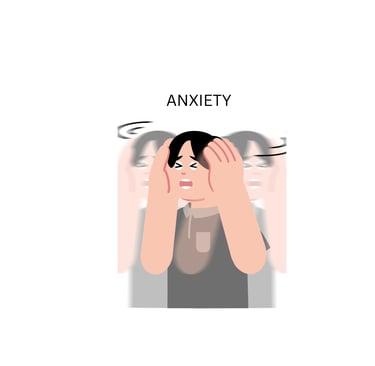
Understanding Different Types of Anxiety
Have you ever wondered why one person feels anxious before speaking in public, while another worries constantly about everyday responsibilities? Or why someone avoids crowded places, while another experiences sudden panic without any obvious reason?
Although we often use the word anxiety to describe many different feelings, anxiety does not look the same for everyone. It can appear in different ways depending on the person, the situation and how the mind responds to stress.
Understanding the different types of anxiety can help you recognise your own experiences with greater awareness. It is important to remember that only a qualified mental health professional can diagnose an anxiety disorder. The information below is meant to help you understand the common patterns, not to self diagnose.
Common Types of Anxiety Disorders
Generalised Anxiety Disorder (GAD)
People with Generalized Anxiety Disorder often worry excessively about everyday life. Work, finances, health, family responsibilities or even small daily decisions can become a constant source of stress. The mind keeps asking "What if?" even when there is no immediate reason to worry. This ongoing cycle of worry can make it difficult to relax or enjoy the present moment.
Social Anxiety Disorder
Have you ever avoided speaking in a meeting because you were afraid of making a mistake? Or skipped a social gathering because you worried about being judged? For people with Social Anxiety Disorder, these fears are much stronger and can interfere with daily life. They may avoid conversations, presentations or meeting new people because they fear embarrassment or criticism.
Panic Disorder
Imagine sitting quietly at home when your heart suddenly starts racing. Your chest feels tight, breathing becomes difficult and you feel as if something terrible is about to happen. This sudden wave of intense fear is known as a panic attack. Although it feels frightening, a panic attack usually settles within a few minutes.
Specific Phobias
Some people experience overwhelming fear of a particular object or situation, such as flying, heights, injections, animals or enclosed spaces. Even thinking about these situations can trigger anxiety, leading people to avoid them whenever possible.
Separation Anxiety
Separation anxiety is commonly seen in young children, especially when they begin school or spend time away from their parents. However, adults can also experience it. A person may feel excessive worry about being separated from loved ones or constantly fear that something bad might happen to them.
Small Steps Can Lead to Big Changes
When anxiety becomes a part of everyday life, it is easy to believe that nothing will ever change. But healing rarely happens through one big decision. It grows through small, consistent actions repeated every day.
Choosing to take a short walk instead of staying indoors, taking a few deep breaths before reacting, limiting screen time before bed or talking to someone you trust may seem like small steps. Yet over time, these habits can help your mind and body feel calmer and more balanced.
Remember, you do not have to practise every suggestion at once. Start with one change that feels manageable. Once it becomes a habit, add another. Progress is not about perfection. It is about moving forward at your own pace. Every journey towards emotional wellbeing begins with a single step, and every small step deserves to be celebrated.
In the next section, we will understand when anxiety may need professional support, clear up some common myths and answer frequently asked questions that many people have about anxiety.
Amend to Heal
© 2026 Amend to Heal-Compassionate mental wellbeing and parenting support by Dr. Shefali Singh.
You matter, simply because you are here.